

Understanding United Medicare can feel overwhelming when you're approaching 65 or transitioning from employer-based coverage. Many people confuse the relationship between United Healthcare and the broader Medicare program. While Medicare itself is the federal health insurance program administered by the Centers for Medicare & Medicaid Services, private insurance companies like United Healthcare offer Medicare-related plans that work alongside or instead of Original Medicare. Whether you live in Greensboro, High Point, Winston Salem, Kernersville, or anywhere throughout the Triad Area, knowing your options helps you make informed decisions about your healthcare coverage.
What United Medicare Actually Means
The term "united medicare" typically refers to Medicare plans offered by United Healthcare, one of the largest private insurance carriers in the United States. These plans fall under the broader Medicare umbrella but are sold and administered by United Healthcare rather than the federal government directly.
United Healthcare offers several Medicare-related products:
- Medicare Advantage (Part C) plans
- Medicare Supplement (Medigap) policies
- Prescription drug plans (Part D)
- Special Needs Plans for specific health conditions
It's essential to understand that United Healthcare doesn't replace Medicare. Instead, the company contracts with the federal government to provide Medicare benefits through private insurance plans. According to the Centers for Medicare & Medicaid Services, private carriers must meet strict federal requirements to offer these plans.
The Difference Between Medicare and Private Carriers
Medicare is the actual government program established in 1965 to provide health insurance for Americans aged 65 and older, plus certain younger people with disabilities. Private insurance companies like United Healthcare participate in Medicare by offering alternative coverage options.
When you enroll in a United Healthcare Medicare plan, you're still covered by Medicare. You haven't left the program. You've simply chosen to receive your benefits through a private carrier instead of directly from the government.

Types of United Medicare Plans Available
United Healthcare offers multiple plan types to address different healthcare needs and budgets. Each plan type serves a distinct purpose in the Medicare ecosystem.
Medicare Advantage Plans Through United Healthcare
Medicare Advantage plans bundle Original Medicare Part A (hospital insurance) and Part B (medical insurance) into a single plan offered by a private company. Most Medicare Advantage plans also include prescription drug coverage.
| Feature | Medicare Advantage | Original Medicare |
|---|---|---|
| Coverage | Parts A, B, often D | Parts A and B only |
| Extra Benefits | Often includes dental, vision, hearing | Not included |
| Network | Usually requires using network providers | Any provider accepting Medicare |
| Cost Structure | Monthly premium plus copays | Deductibles plus 20% coinsurance |
| Annual Max | Out-of-pocket maximum protection | No maximum limit |
United Healthcare's Medicare Advantage plans often include benefits beyond what Original Medicare covers. Many plans offer gym memberships, telehealth services, over-the-counter allowances, and transportation to medical appointments.
Medicare Supplement Plans from United Healthcare
Medicare Supplement plans (Medigap) work differently than Medicare Advantage. You keep Original Medicare and purchase a supplemental policy to cover the gaps, specifically deductibles, copayments, and coinsurance.
Common Medigap plans offered by United Healthcare include:
- Plan G (most comprehensive option for new beneficiaries)
- Plan N (lower premiums with modest copays)
- Plan F (only available to those eligible before January 1, 2020)
- High-deductible Plan G (lower premiums, higher initial costs)
These standardized plans are regulated by federal and state governments. The coverage for Plan G from United Healthcare is identical to Plan G from any other carrier. The main differences are price, customer service, and company reputation.
Prescription Drug Coverage Options
United Healthcare offers standalone Part D prescription drug plans for those who maintain Original Medicare without a Medicare Advantage plan. These plans help cover medication costs and protect against catastrophic drug expenses.
In 2026, prescription drug coverage includes protections against excessive costs in the coverage gap previously known as the "donut hole." Understanding Medicare’s donut hole helps you anticipate medication expenses throughout the year.
Eligibility and Enrollment for United Medicare Plans
Understanding when and how to enroll prevents costly mistakes that can follow you throughout retirement. The Medicare enrollment system operates on specific timelines that you must follow.
Initial Enrollment Period
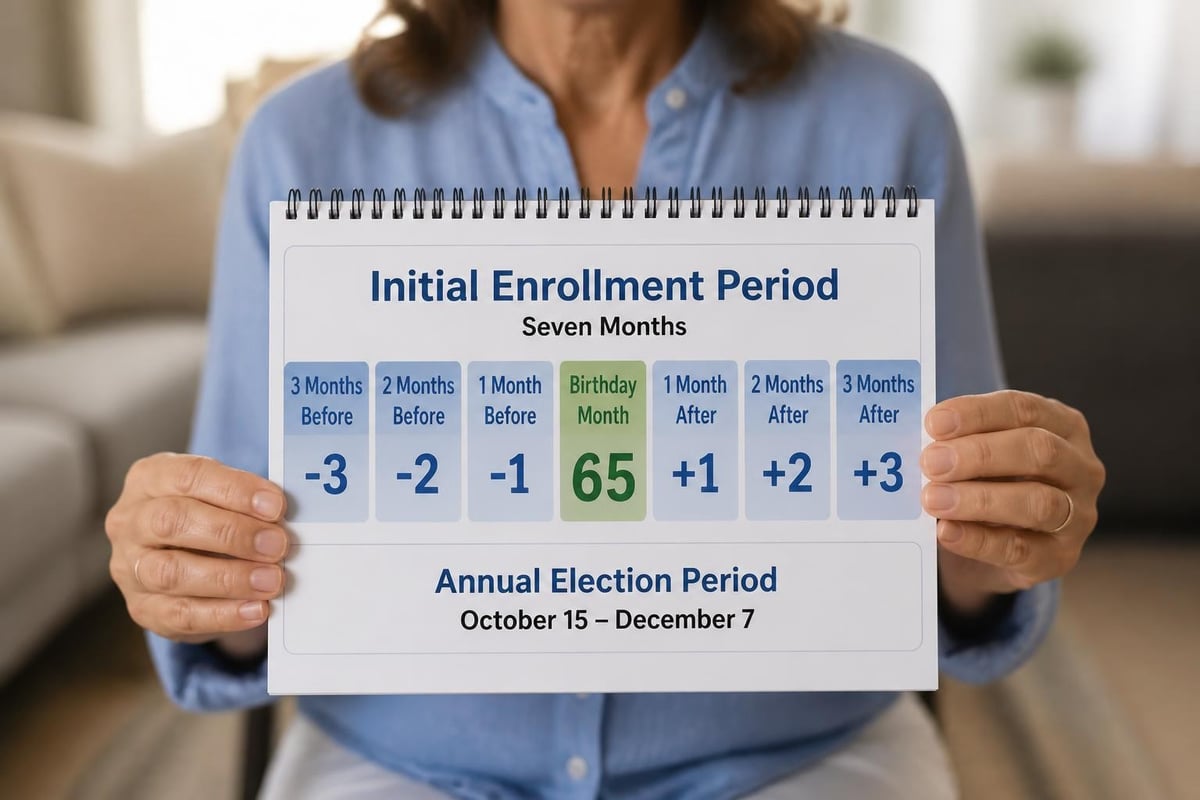
Your Initial Enrollment Period lasts seven months, beginning three months before you turn 65, including your birthday month, and extending three months after. This is typically the best time to enroll in Medicare and choose a United Healthcare plan without medical underwriting for Medigap policies.
According to Medicare.gov’s enrollment guidelines, your coverage start date depends on when during your Initial Enrollment Period you enroll. Missing this window can result in permanent premium penalties for Part B and Part D coverage.
Annual Election Period
The Annual Election Period (October 15 through December 7 each year) allows current Medicare beneficiaries to make changes to their coverage. During this time, you can switch from Original Medicare to Medicare Advantage, change Medicare Advantage plans, or modify your prescription drug coverage.
Understanding Medicare Open Enrollment helps you take advantage of this annual opportunity to reassess your healthcare needs and potentially save money or improve coverage.
Special Enrollment Periods
Certain life events trigger Special Enrollment Periods that allow you to make coverage changes outside the standard enrollment windows:
- Moving outside your plan's service area
- Losing employer-based coverage
- Moving into a nursing home
- Qualifying for Medicaid or Extra Help
- Enrolling in a chronic condition Special Needs Plan
If you're still working past 65 with employer coverage, you may delay Medicare enrollment without penalty. However, this requires active group coverage from an employer with 20 or more employees.
Comparing United Medicare Plans to Other Options
Shopping for Medicare coverage requires comparing multiple factors beyond monthly premiums. Total annual costs, provider networks, prescription drug formularies, and customer service all matter.
Cost Comparison Considerations
Medicare Advantage plans from United Healthcare typically feature lower monthly premiums than Medigap policies, sometimes as low as $0 per month. However, these plans charge copays and coinsurance for services, which can add up if you need frequent medical care.
Total cost analysis should include:
- Monthly plan premiums
- Part B premium (deducted from Social Security)
- Deductibles (annual amounts before coverage begins)
- Copays and coinsurance for doctor visits and procedures
- Maximum out-of-pocket limits
- Prescription drug costs
Medigap policies typically have higher monthly premiums but provide more predictable costs when you receive medical care. Most Medigap plans cover the 20% coinsurance that Medicare Part B doesn't pay, eliminating surprise bills.
Network and Provider Access
Medicare Advantage plans usually require you to use network providers except in emergencies. United Healthcare maintains extensive networks in most areas, but you should verify your doctors and specialists participate before enrolling.
| Plan Type | Provider Flexibility | Referral Requirements | Out-of-Network Coverage |
|---|---|---|---|
| HMO | Network only | Primary care referrals required | Emergency only |
| PPO | Network preferred | No referrals needed | Available at higher cost |
| PFFS | Any Medicare provider accepting plan terms | No referrals | Depends on provider acceptance |
| Medigap + Original Medicare | Any Medicare provider | No referrals | All Medicare providers nationwide |
If you frequently travel or spend winters in another state, provider flexibility becomes especially important. Original Medicare with a Medigap plan offers the most freedom to see any doctor accepting Medicare nationwide.
Prescription Drug Formularies
Every Medicare drug plan maintains a formulary listing covered medications and their tier levels. United Healthcare's formularies change annually, and medications can move between tiers, affecting your costs.
Before enrolling in any united medicare plan with drug coverage, check whether your current medications appear on the formulary and which tier they occupy. Higher tiers mean higher copays or coinsurance.
Regional Availability in the Triad Area
United Healthcare offers different plan options depending on where you live. Coverage availability and plan specifics vary between Greensboro, High Point, Winston Salem, and Kernersville.
North Carolina Medicare Options
North Carolina residents have access to numerous United Healthcare Medicare Advantage and Medigap plans. The Triad Area typically sees competitive pricing due to the concentration of healthcare providers and beneficiaries.
When exploring Medicare options in Greensboro, NC, residents should compare plans specifically available in their county. Some plans offer broader networks that include major medical systems throughout the Triad Area, while others focus on specific provider groups.
Service Area Considerations
Medicare Advantage plans operate within defined service areas, usually at the county level. If you live in one county but frequently see doctors in another, verify that your preferred providers participate in the plan's network.
Moving outside your plan's service area triggers a Special Enrollment Period, allowing you to change plans. This protection ensures you maintain access to care if you relocate.
Making an Informed Decision About United Medicare
Choosing the right Medicare coverage requires honest assessment of your health status, financial situation, and personal preferences. No single plan type works best for everyone.
Evaluating Your Healthcare Needs
Consider your current health situation and family history when selecting coverage. If you have chronic conditions requiring frequent specialist visits, medication costs, or anticipated surgeries, comprehensive coverage may save money despite higher premiums.
Questions to ask yourself:
- How often do you visit doctors?
- Do you take multiple prescription medications?
- Do you prefer predictable costs or lower premiums?
- Is seeing specific doctors important to you?
- Do you travel frequently or spend time in multiple states?
Those in excellent health might benefit from Medicare Advantage plans with lower premiums and maximum out-of-pocket protection. People with significant health needs often prefer Medigap plans that eliminate most cost-sharing.

Understanding the Different Parts of Medicare
Before selecting any united medicare plan, you need to understand how Medicare's structure works. Medicare consists of four parts, each covering different services.
Part A (Hospital Insurance) covers inpatient hospital stays, skilled nursing facility care, hospice care, and some home health services. Most people don't pay a premium for Part A because they or their spouse paid Medicare taxes while working.
Part B (Medical Insurance) covers doctor visits, outpatient care, preventive services, medical equipment, and some home health services. Everyone pays a monthly premium for Part B, with higher earners paying income-related adjustments.
Part C (Medicare Advantage) allows private insurance companies like United Healthcare to provide Parts A and B benefits, usually including Part D. These plans may add extra benefits not covered by Original Medicare.
Part D (Prescription Drug Coverage) helps cover medication costs through standalone plans or as part of Medicare Advantage plans. Like Part B, higher earners pay income-related monthly adjustment amounts.
Working with an Insurance Professional
Medicare's complexity makes professional guidance valuable. Independent insurance agents who represent multiple carriers can compare United Healthcare plans against competitors to find the best fit for your specific situation.
For residents throughout the Triad Area, working with local professionals who understand North Carolina's specific Medicare landscape provides personalized support. You can discuss your health needs, budget constraints, and coverage preferences without pressure.
If you need assistance understanding your options, contact Moser Insurance Group Inc at 336-862-1763 or via email at moserinsurancegroup@gmail.com. You can also visit moserinsurancegroup.com to explore available plans and schedule a consultation.
Common Misconceptions About United Medicare
Many beneficiaries hold inaccurate beliefs about Medicare that lead to poor enrollment decisions. Correcting these misconceptions helps you make better choices.
"Medicare is Free"
While Part A carries no premium for most people, Medicare isn't free. Part B requires monthly premiums, and you'll pay deductibles, coinsurance, or copays depending on your coverage choices. Additional costs come from Part D premiums and any supplemental coverage.
In 2026, the standard Part B premium is set by the federal government and adjusted annually. Higher-income beneficiaries pay surcharges based on tax returns from two years prior.
"I Can Enroll Anytime"
Medicare operates on strict enrollment periods. Missing your Initial Enrollment Period without qualifying for a Special Enrollment Period means waiting until the General Enrollment Period (January 1 through March 31), with coverage starting July 1 and permanent late enrollment penalties.
Understanding enrollment deadlines prevents costly mistakes that affect your premiums for life. The seven-month Initial Enrollment Period deserves careful attention.
"My Employer Plan is Better"
Some employer retiree plans coordinate with Medicare, while others don't provide creditable coverage. If your employer plan doesn't meet Medicare's standards, you may face late enrollment penalties when you eventually join Medicare.
Before declining Medicare at 65, verify your employer coverage qualifies as creditable. Small employers (fewer than 20 employees) generally require Medicare enrollment as primary coverage.
"All Medicare Advantage Plans Are the Same"
Medicare Advantage plans vary significantly in networks, costs, benefits, and quality ratings. United Healthcare offers multiple Medicare Advantage products with different features. Comparing plan details rather than assuming equivalency helps you select appropriate coverage.
Star Ratings published by Medicare measure plan quality based on customer satisfaction, health outcomes, and customer service. Higher-rated plans often provide better experiences and health results.
Switching Between United Medicare Plan Types
Medicare allows you to change coverage annually during the Annual Election Period. You can switch from Medicare Advantage to Original Medicare with Medigap, change Medicare Advantage carriers, or modify your prescription drug plan.
Moving from Medicare Advantage to Medigap
Switching from Medicare Advantage to Original Medicare with a Medigap plan requires careful timing. You can drop your Medicare Advantage plan during the Annual Election Period (October 15 to December 7) or the Medicare Advantage Open Enrollment Period (January 1 to March 31).
However, Medigap insurers can use medical underwriting outside your Initial Enrollment Period, potentially denying coverage or charging higher premiums based on health conditions. Some states offer Medigap protections, but most don't guarantee issue rights after your initial opportunity.
Changing Medicare Advantage Plans
Switching between Medicare Advantage plans is straightforward during enrollment periods. You can move from a United Healthcare Medicare Advantage plan to a competitor's plan, or vice versa, simply by enrolling in the new plan. Your old plan automatically cancels when the new coverage begins.
The Medicare Advantage Open Enrollment Period (January 1 to March 31) offers an additional opportunity for current Medicare Advantage enrollees to switch plans or return to Original Medicare.
Adding or Changing Prescription Drug Coverage
If you have Original Medicare without drug coverage, you can add a standalone Part D plan during the Annual Election Period. Changing from one Part D plan to another also occurs during this window.
Going without creditable prescription drug coverage for 63 consecutive days or longer results in late enrollment penalties when you eventually join a plan. These penalties continue as long as you have Part D coverage.
Financial Assistance Programs for United Medicare
Several programs help low-income Medicare beneficiaries afford coverage and reduce out-of-pocket costs. These programs work with both Original Medicare and united medicare plans from private carriers.
Medicare Savings Programs
State-administered Medicare Savings Programs help pay Medicare premiums, deductibles, and coinsurance for qualifying beneficiaries. Four programs exist with different income and asset limits:
- Qualified Medicare Beneficiary (QMB) covers Part A and B premiums, deductibles, copays, and coinsurance
- Specified Low-Income Medicare Beneficiary (SLMB) pays Part B premiums only
- Qualifying Individual (QI) covers Part B premiums with higher income limits
- Qualified Disabled and Working Individuals (QDWI) helps disabled individuals who work
These programs coordinate with Medicare Advantage and Medigap plans, reducing your overall costs regardless of which coverage type you choose.
Extra Help with Prescription Drugs
The Extra Help program (also called the Low-Income Subsidy) assists with Part D prescription drug costs, including premiums, deductibles, and copays. Beneficiaries with limited income and resources can save several thousand dollars annually through this program.
Extra Help works with both standalone Part D plans and Medicare Advantage plans that include prescription drug coverage. The Social Security Administration handles applications for this federal program.
State Pharmaceutical Assistance Programs
Some states operate pharmaceutical assistance programs that work alongside Medicare Part D. These programs may cover medications during the coverage gap or provide additional financial support for prescription costs.
North Carolina offers limited pharmaceutical assistance, but residents should check current programs available through the state's Department of Health and Human Services.
Quality Ratings and Customer Satisfaction
Medicare assigns Star Ratings to Medicare Advantage and Part D plans based on quality and performance measures. These ratings help beneficiaries compare plans and identify high-performing options.
Understanding Star Ratings
Star Ratings range from 1 to 5 stars, with 5 representing excellent performance. Medicare evaluates plans annually across categories including:
- Health plan customer service
- Member complaints and appeals
- Member experience with the plan
- Health care quality and performance
- Drug plan customer service
- Member complaints about the drug plan
- Drug safety and accuracy of prescription information
Plans rated 4 stars or higher qualify as high-performing and may offer additional benefits or rebates to members. United Healthcare offers multiple plans across the rating spectrum, with performance varying by specific plan and region.
Comparing Plan Performance
Beyond Star Ratings, consider customer reviews, complaints filed with state insurance departments, and feedback from current members. The National Committee for Quality Assurance (NCQA) also evaluates health plans based on clinical quality measures.
Higher-rated plans typically demonstrate better health outcomes, fewer member complaints, and superior customer service. While cost matters, plan quality significantly affects your healthcare experience and results.
Navigating united medicare options requires understanding the relationship between federal Medicare, private insurance carriers, and the various plan types available in your area. Whether you choose Medicare Advantage or Medicare Supplement coverage, the right decision depends on your individual health needs, budget, and preferences. Moser Insurance Group Inc provides personalized guidance to help Greensboro, High Point, Winston Salem, and Kernersville residents understand their Medicare options without pressure or confusion. Contact us at 336-862-1763, email moserinsurancegroup@gmail.com, or visit Moser Insurance Group Inc to discuss which Medicare solution fits your unique situation.
Recent Comments