

Many people approaching Medicare eligibility or already enrolled discover an unexpected gap in their healthcare coverage: dental services. Understanding medicare dental benefits can be confusing, especially when you need routine cleanings, fillings, or more extensive dental work. The reality is that traditional Medicare provides minimal dental coverage, leaving many beneficiaries searching for solutions to maintain their oral health. For residents in the Triad Area, including Greensboro, Winston Salem, High Point, and Kernersville, knowing your options for dental care under Medicare can help you plan effectively and avoid unexpected costs.
What Original Medicare Covers for Dental Services
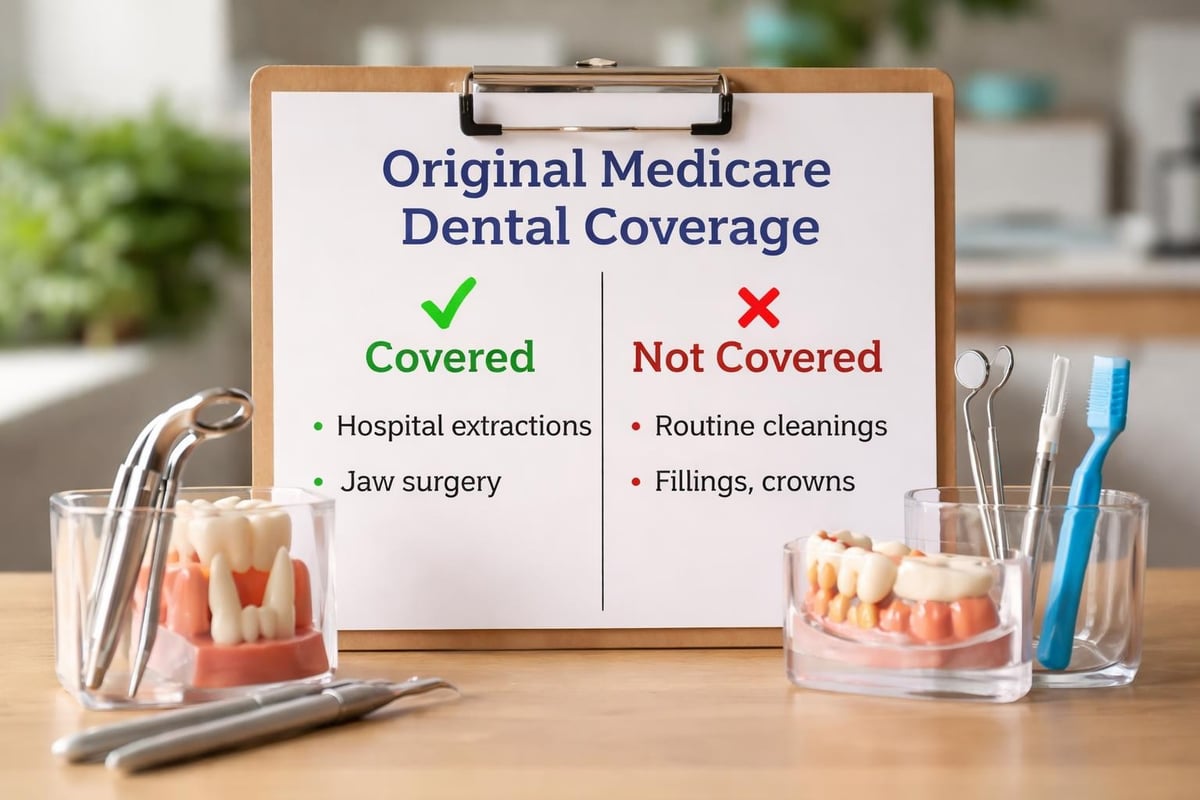
Original Medicare, consisting of Part A (hospital insurance) and Part B (medical insurance), offers extremely limited dental coverage. The fundamental rule is simple: Medicare only covers dental services when they are medically necessary as part of a covered procedure.
Medicare’s official dental services page outlines these specific situations:
- Jaw surgery required to treat fractures, tumors, or reconstruction following accidental injury
- Dental examinations performed before kidney transplants or heart valve replacements
- Tooth extractions necessary before radiation treatment for jaw cancer
The Disconnect Between Medical and Dental Care
Part A may cover inpatient hospital stays related to dental procedures if you have a medical condition requiring hospitalization. However, the dental procedure itself remains your responsibility. Part B might cover certain oral examinations, but routine dental care falls completely outside Medicare's scope.
This creates a significant challenge for seniors. According to CMS research on dental spending among Medicare beneficiaries, many individuals face substantial out-of-pocket costs for dental services because Original Medicare does not include preventive or restorative dental coverage.
Understanding the Medicare Dental Coverage Gap
The absence of comprehensive dental benefits in Original Medicare represents more than an inconvenience. It creates a genuine health risk for beneficiaries throughout North Carolina and beyond.
Routine dental services not covered by Original Medicare include:
- Regular cleanings and check-ups
- Fillings for cavities
- Tooth extractions (unless medically necessary)
- Dentures and partial plates
- Root canals
- Crowns and bridges
- Periodontal treatments
Research published in medical journals examining oral health and systemic disease demonstrates clear connections between poor dental health and conditions like diabetes, heart disease, and stroke. Without proper dental coverage, Medicare beneficiaries may delay or skip necessary dental care, potentially worsening overall health outcomes.
Financial Impact on Seniors
The average Medicare beneficiary spends hundreds to thousands of dollars annually on dental services. For those on fixed incomes in areas like Kernersville or Winston Salem, these costs can force difficult choices between dental care and other necessities.
| Service Type | Average Cost Without Insurance |
|---|---|
| Routine Cleaning | $75 – $200 |
| Filling | $150 – $450 |
| Crown | $800 – $1,500 |
| Root Canal | $700 – $1,500 |
| Dentures (Full Set) | $1,300 – $3,200 |
These figures illustrate why many beneficiaries actively seek medicare dental alternatives to protect both their oral health and financial wellbeing.
Medicare Advantage Plans and Dental Benefits
Medicare Advantage (Part C) plans represent the primary solution for medicare dental coverage. These private insurance plans contract with Medicare to provide all Part A and Part B benefits, and most include additional coverage that Original Medicare doesn't offer.
Approximately 85% of Medicare Advantage plans include some level of dental coverage. For residents exploring Medicare Advantage plans in Greensboro, NC, this benefit represents significant value.
Types of Dental Coverage in Medicare Advantage
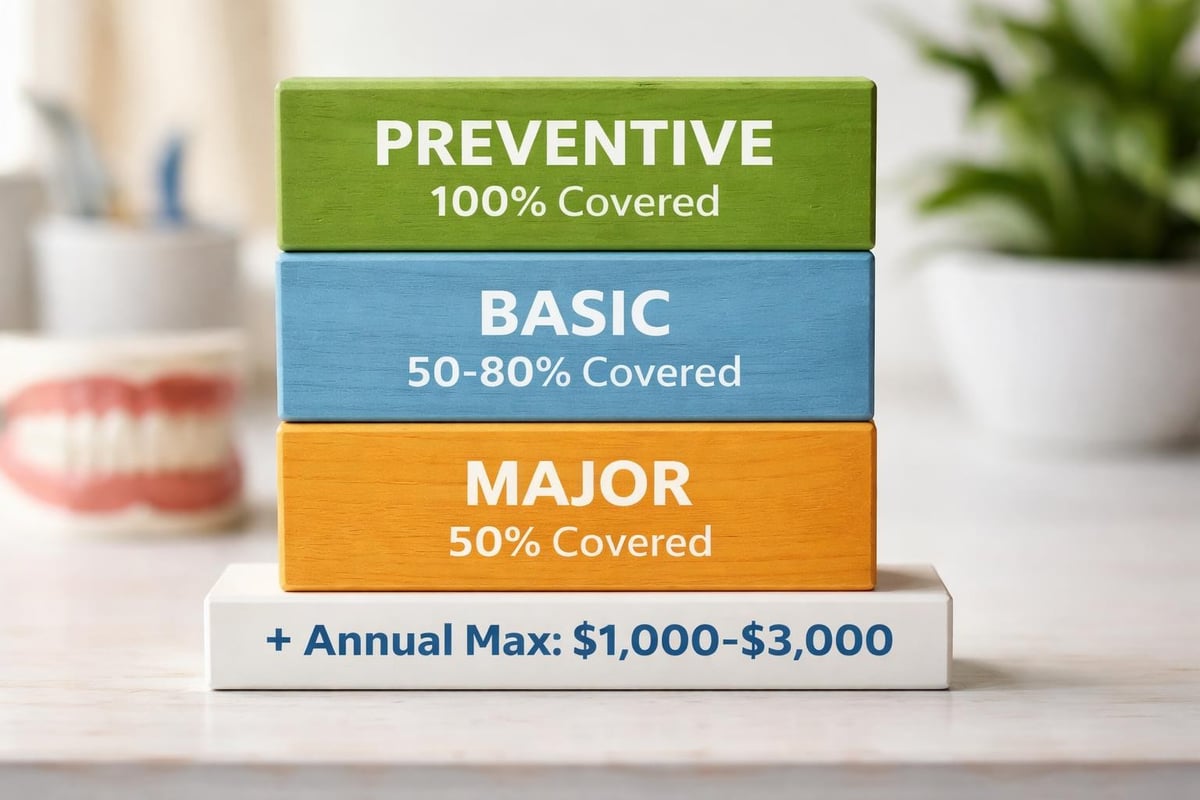
Medicare Advantage dental benefits typically fall into three categories:
- Preventive services: Routine cleanings, exams, and X-rays (usually covered at 100%)
- Basic services: Fillings, simple extractions, and periodontal maintenance (often 50-80% coverage)
- Major services: Crowns, bridges, dentures, and root canals (typically 50% coverage after waiting periods)
Important Limitations to Consider
Even with Medicare Advantage dental benefits, limitations apply:
- Annual maximums: Most plans cap dental benefits at $1,000 to $2,500 per year
- Waiting periods: Major services may require 6-12 months of enrollment before coverage begins
- Network restrictions: You may need to use specific dental providers
- Copayments: You'll still pay a portion of costs for most services
When comparing Medicare options in High Point, NC, carefully review each plan's dental benefits to ensure they match your anticipated needs.
Standalone Dental Insurance Options
For those who prefer Original Medicare with a Medicare Supplement (Medigap) policy, standalone dental insurance provides another pathway to coverage. These private dental plans operate independently from Medicare.
How Standalone Dental Plans Work
Standalone dental insurance resembles employer-sponsored dental coverage. You pay a monthly premium (typically $20-$50) and receive benefits according to the plan's structure.
| Plan Feature | Typical Details |
|---|---|
| Monthly Premium | $20 – $50 |
| Annual Maximum | $1,000 – $1,500 |
| Preventive Coverage | 80% – 100% |
| Basic Coverage | 50% – 80% |
| Major Coverage | 50% |
| Waiting Periods | 3-12 months for major services |
Key considerations when evaluating standalone dental plans:
- Compare the annual premium cost against the annual maximum benefit
- Review the provider network to ensure convenient access
- Understand waiting periods before purchasing
- Calculate whether the plan saves money based on your dental needs
For individuals in the Triad Area seeking comprehensive Medicare guidance, understanding how standalone dental insurance complements Medicare Supplement plans in Greensboro helps create complete coverage.
Dental Savings Plans and Discount Programs
An alternative to traditional insurance, dental savings plans offer discounted rates at participating dentists in exchange for an annual membership fee.
These programs work differently from insurance. You pay a membership fee (usually $100-$200 annually), then receive 10-60% discounts on dental services at network providers. There are no claim forms, no annual maximums, and no waiting periods.
Advantages and Disadvantages
Advantages:
- Immediate access to discounts
- No annual maximums
- Often include cosmetic procedures
- Simple, predictable costs
Disadvantages:
- You pay full discounted rates (not just copays)
- Limited provider networks
- No actual insurance coverage
- Savings vary by procedure
Dental savings plans work best for people who need predictable, routine care or who want coverage for services excluded from traditional insurance.
Medicaid and Dual Eligible Special Needs Plans
Low-income Medicare beneficiaries may qualify for additional dental assistance through Medicaid or Dual Eligible Special Needs Plans (D-SNPs).
Medicaid Dental Benefits
North Carolina Medicaid provides limited dental coverage for adults. Services typically include emergency dental care and some restorative treatments. Eligibility depends on income, assets, and other factors.
Dual Eligible Special Needs Plans
D-SNPs serve individuals eligible for both Medicare and Medicaid. These plans often include enhanced dental benefits beyond standard Medicare Advantage coverage, sometimes with higher annual maximums or reduced cost-sharing.
According to guidance from the Centers for Medicare & Medicaid Services, coordination between Medicare and Medicaid can provide more comprehensive dental coverage for eligible individuals in Greensboro, Winston Salem, and surrounding communities.
Making Smart Decisions About Medicare Dental Coverage
Choosing the right approach to medicare dental coverage requires evaluating your specific circumstances, dental health needs, and budget.
Step-by-Step Decision Framework
- Assess your dental health status: Do you need only preventive care, or do you anticipate major work?
- Calculate anticipated costs: Estimate annual dental expenses based on your dentist's recommendations
- Compare coverage options: Review Medicare Advantage plans, standalone policies, and discount programs
- Consider your overall Medicare strategy: How does dental coverage fit with your Medicare Supplement or Medicare Advantage choice?
- Verify provider networks: Ensure your preferred dentist accepts the coverage you're considering

Questions to Ask Before Enrolling
- What is the total annual cost (premiums plus expected out-of-pocket expenses)?
- Does my current dentist participate in the plan's network?
- What services does the plan cover, and at what percentage?
- Are there waiting periods for services I need soon?
- What is the annual maximum benefit, and is it sufficient for my needs?
When turning 65 and enrolling in Medicare in Winston Salem, NC, addressing dental coverage from the start prevents gaps in care and unexpected expenses.
The Connection Between Oral Health and Overall Wellbeing
Understanding medicare dental options matters because oral health significantly impacts overall health. The Center for Medicare Advocacy’s analysis of CMS guidance emphasizes the importance of recognizing when dental care becomes medically necessary.
Oral health conditions linked to systemic diseases:
- Periodontal disease and heart disease
- Diabetes complications from gum infections
- Aspiration pneumonia from poor oral hygiene
- Malnutrition from inability to chew properly
For Medicare beneficiaries managing chronic conditions, maintaining good oral health isn't optional. It's essential for disease management and quality of life.
Preventive Care Saves Money
Investing in preventive dental coverage typically costs less than paying for emergency or major dental work. Regular cleanings and exams catch problems early when treatment is simpler and less expensive.
AARP’s analysis of Medicare dental coverage options demonstrates that beneficiaries with preventive coverage use dental services more consistently and often avoid costly emergency procedures.
Timing Your Medicare Dental Decisions
Medicare enrollment periods affect when you can add or change dental coverage, particularly with Medicare Advantage plans.
Key Enrollment Periods
- Initial Enrollment Period: When you first become eligible for Medicare (around your 65th birthday)
- Annual Enrollment Period (October 15 – December 7): Change Medicare Advantage or Part D plans
- Medicare Advantage Open Enrollment Period (January 1 – March 31): Switch Medicare Advantage plans or return to Original Medicare
For dental coverage through Medicare Advantage, you can only enroll or make changes during these specific windows. Standalone dental insurance and discount plans typically allow year-round enrollment.
Planning for High Point and Kernersville Residents
Local Medicare beneficiaries should mark these dates and review Medicare Advantage options in High Point, NC or Kernersville Medicare help well before enrollment deadlines to make informed decisions.
Working with Local Medicare Experts
Navigating medicare dental options alongside your overall Medicare coverage can feel overwhelming. The variety of plans, coverage levels, networks, and costs requires careful comparison and expert guidance.
Local Medicare professionals understand regional plan availability, provider networks in the Triad Area, and how to match coverage to individual needs. Whether you're exploring options in Greensboro, evaluating plans in Winston Salem, or need guidance in High Point or Kernersville, personalized assistance ensures you select appropriate coverage.
Benefits of working with Medicare specialists:
- Objective comparison of multiple carriers and plan types
- Explanation of complex coverage details in plain language
- Help coordinating dental coverage with overall Medicare strategy
- Assistance during enrollment periods to avoid penalties or gaps
- Ongoing support when questions or issues arise
For comprehensive Medicare guidance including dental coverage options, contact Moser Insurance Group Inc at 336-862-1763, email moserinsurancegroup@gmail.com, or visit moserinsurancegroup.com.
Regional Considerations for Dental Coverage
Provider networks vary by location, making it essential to verify dental coverage works in your specific area. In the Triad region, dental networks may differ between Greensboro, Winston Salem, High Point, and Kernersville.
Network Adequacy in Your Area
Before selecting Medicare Advantage or standalone dental coverage, confirm:
- Network dentists practice within a reasonable distance from your home
- Your preferred dentist accepts the specific plan you're considering
- Specialists you might need (periodontists, oral surgeons) participate in the network
- Emergency dental services are available in your community
NerdWallet’s comprehensive guide to Medicare dental coverage emphasizes the importance of provider networks when evaluating plans, particularly in smaller communities or rural areas.
Common Medicare Dental Coverage Mistakes
Many Medicare beneficiaries make preventable errors when addressing dental coverage. Awareness helps you avoid these pitfalls.
- Assuming Medicare covers dental care: The most common mistake is not planning for dental coverage at all
- Ignoring annual maximums: Enrolling in coverage with insufficient annual benefits for anticipated needs
- Overlooking waiting periods: Selecting coverage days before needing major dental work
- Not comparing total costs: Focusing only on premiums without calculating total annual expenses
- Missing enrollment deadlines: Attempting to change Medicare Advantage plans outside allowed periods
Taking time to understand medicare dental options and plan carefully prevents these costly mistakes and ensures continuous access to dental care.
Medicare dental coverage requires proactive planning since Original Medicare provides minimal benefits for routine oral care. Understanding your options through Medicare Advantage plans, standalone dental insurance, or discount programs helps you maintain oral health while managing costs effectively. Moser Insurance Group Inc provides personalized guidance to help individuals and families throughout Greensboro, Winston Salem, High Point, Kernersville, and the surrounding Triad Area understand their Medicare options, including dental coverage solutions that fit their specific needs and budget. Contact us at 336-862-1763 or moserinsurancegroup@gmail.com to explore your medicare dental coverage options, or visit Moser Insurance Group Inc to learn more about making confident Medicare decisions.
Recent Comments