

When navigating Medicare coverage options in 2026, many beneficiaries across the Triad Area including Greensboro, Kernersville, High Point, and Winston Salem find themselves evaluating different plan structures. An Aetna Medicare HMO represents one of the most structured yet potentially cost-effective approaches to comprehensive Medicare coverage. These Health Maintenance Organization plans combine medical services and often prescription drug coverage into a single coordinated package, requiring members to work within a defined network of providers and follow specific care coordination rules.
Understanding Aetna Medicare HMO Structure
An aetna medicare hmo operates as a Medicare Advantage plan (Part C) that replaces Original Medicare while maintaining all the same coverage guarantees. These plans must cover everything Original Medicare covers but deliver services through a managed care network model.
The fundamental characteristic of any HMO is the network requirement. Members must receive care from providers contracted with Aetna, except in emergency situations or urgent care needs outside the service area. This network-based approach allows Aetna to negotiate rates with providers and coordinate care more effectively.
Key structural elements include:
- Required selection of a primary care physician (PCP) who coordinates all care
- Referral requirements for specialist visits in most cases
- Defined service area where the plan operates
- Integration of Medicare Part D prescription drug coverage in most plans
- Additional benefits beyond Original Medicare like dental, vision, and hearing services
The Medicare Advantage HMO structure emphasizes preventive care and care coordination, which can lead to better health outcomes when members actively engage with their primary care physician.

Primary Care Physician Requirements
Every Aetna Medicare HMO member must designate a primary care physician from the network. This physician becomes the central point of contact for healthcare needs and manages referrals to specialists.
Your PCP responsibilities include providing routine care, managing chronic conditions, coordinating hospital care, and authorizing specialist visits. This centralized approach ensures all your providers have access to your complete medical history and treatment plans.
Members can change their PCP if needed, typically with the change taking effect the first day of the following month. This flexibility allows you to find a physician who fits your communication style and healthcare preferences.
Coverage Benefits and Cost Structure
Aetna medicare hmo plans typically feature lower monthly premiums compared to PPO alternatives, making them attractive for budget-conscious beneficiaries. However, understanding the complete cost picture requires examining premiums, deductibles, copayments, and out-of-pocket maximums together.
| Cost Component | Typical Range | What It Covers |
|---|---|---|
| Monthly Premium | $0 – $100+ | Base plan cost beyond Part B premium |
| Medical Deductible | $0 – $300 | Amount before plan pays for services |
| PCP Copay | $0 – $20 | Per visit to primary doctor |
| Specialist Copay | $20 – $50 | Per visit with referral |
| Out-of-Pocket Max | $3,000 – $8,000 | Annual limit on cost-sharing |
Many Aetna Medicare HMO plans include $0 premium options, though these may have higher copays or more limited networks. The trade-off between monthly costs and per-service costs depends on your expected healthcare utilization and financial preferences.
Additional Benefits Beyond Original Medicare
One significant advantage of choosing an aetna medicare hmo involves the extra benefits typically included. These additions address healthcare needs that Original Medicare doesn't cover.
Common supplemental benefits include routine dental cleanings and procedures, comprehensive vision exams with eyewear allowances, hearing exams with hearing aid benefits, fitness memberships at no additional cost, and over-the-counter medication allowances. Some plans also offer transportation to medical appointments, meal delivery after hospital stays, and telehealth services with minimal copays.
For those evaluating different Medicare plan types, including Medicare Advantage Plans that coordinate multiple coverage elements, these added benefits can represent substantial value when you actually use them.
Enrollment Eligibility and Periods
Understanding when and how you can enroll in an Aetna medicare hmo ensures you don't miss important deadlines or face coverage gaps. The CMS eligibility and enrollment guidelines establish specific periods when beneficiaries can make plan changes.
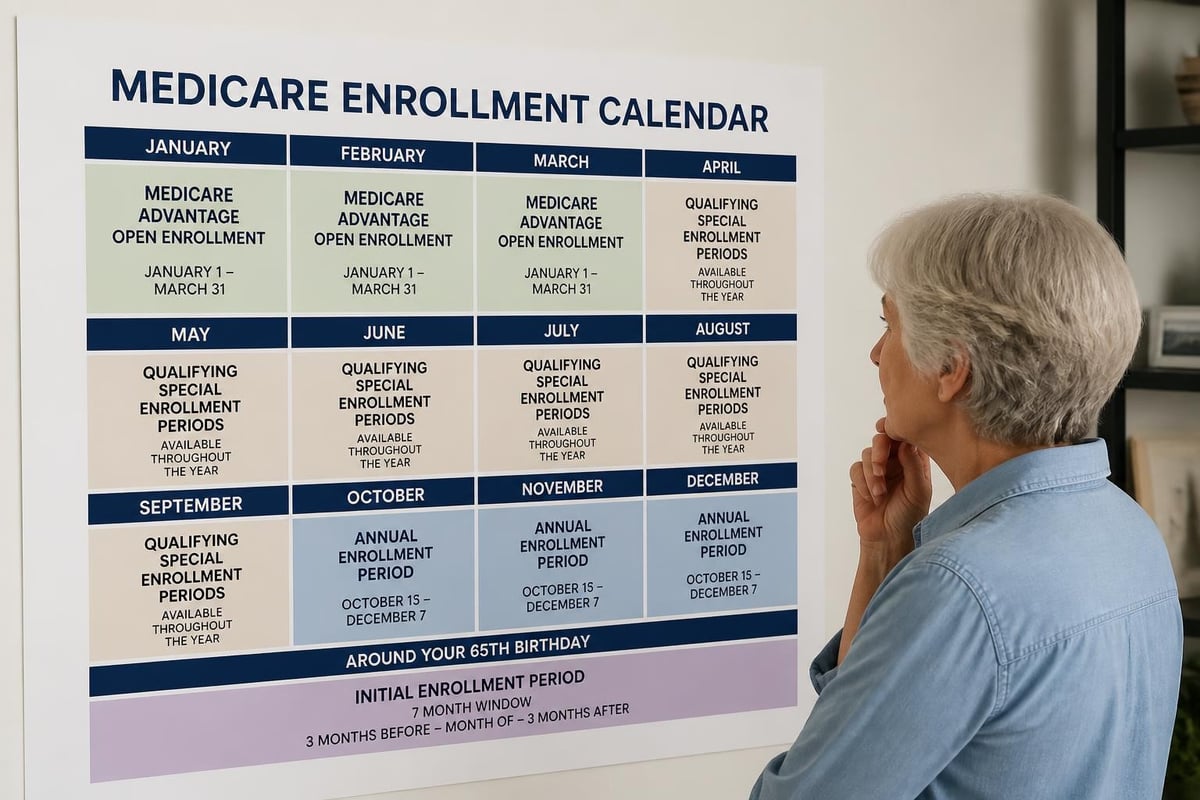
Initial Enrollment Period (IEP): The seven-month window surrounding your 65th birthday (three months before, your birthday month, and three months after) allows you to enroll in Medicare and select a Medicare Advantage plan simultaneously.
Annual Enrollment Period (AEP): Running from October 15 through December 7 each year, this period lets current Medicare beneficiaries switch plans or move between Original Medicare and Medicare Advantage. Changes take effect January 1.
Medicare Advantage Open Enrollment Period: From January 1 through March 31, current Medicare Advantage members can switch to a different Medicare Advantage plan or return to Original Medicare with a standalone Part D plan.
Special Enrollment Periods
Certain qualifying life events trigger special enrollment opportunities outside standard periods. Moving to a new address outside your current plan's service area, losing employer coverage, moving into or out of a nursing facility, or qualifying for both Medicare and Medicaid all create special enrollment rights.
Residents relocating within the Triad Area should verify their new address falls within their current plan's service area. Moving from Greensboro to High Point or Winston Salem might keep you in the same service area, but moving farther could necessitate a plan change.
The Aetna enrollment process can be completed online, by phone, or through paper application. Working with a licensed agent often streamlines the process and ensures you understand all plan features before enrolling.
Network Access and Provider Choices
The provider network represents the most critical consideration when evaluating an aetna medicare hmo. Since you must use network providers except for emergencies, confirming your preferred doctors participate becomes essential before enrollment.
Aetna maintains different networks across various geographic areas. A robust network in Winston Salem might differ from network breadth in Kernersville or High Point. Always verify specific provider participation for your exact plan and service area.
Checking Provider Participation
Before enrolling, use Aetna's online provider directory to search for your current physicians by name, specialty, and location. Confirm they accept your specific plan, as some providers accept certain Aetna Medicare HMO contracts but not others.
Key providers to verify include:
- Primary care physicians in your preferred location
- Specialists you see regularly for chronic conditions
- Hospitals you prefer for inpatient care
- Diagnostic facilities and laboratories
- Pharmacies convenient to your home
If your current doctor doesn't participate in the Aetna network, you face a choice: switch plans to maintain your doctor relationship or change providers to access the HMO's potentially lower costs and additional benefits.
Emergency and Urgent Care Coverage
Even with strict network requirements, Aetna medicare hmo plans must cover emergency care anywhere in the United States. True emergencies include severe symptoms like chest pain, sudden numbness, severe bleeding, or other conditions where waiting could seriously jeopardize health.
Urgent care differs from emergency care. It addresses conditions requiring prompt attention but not life-threatening situations. HMO plans typically cover urgent care when you're outside the service area but may require network urgent care centers when you're within your service area.
Prescription Drug Coverage Integration
Most Aetna Medicare HMO plans integrate Part D prescription drug coverage directly into the plan structure. This integration simplifies administration by having one plan, one card, and one set of rules for medical and pharmacy benefits.
The prescription drug formulary lists covered medications organized into tiers, with each tier carrying different copayment amounts. Generic drugs typically occupy Tier 1 with lowest copays, while brand-name and specialty medications fall into higher tiers with higher cost-sharing.
| Formulary Tier | Drug Type | Typical Copay |
|---|---|---|
| Tier 1 | Preferred Generics | $0 – $10 |
| Tier 2 | Generic Drugs | $5 – $20 |
| Tier 3 | Preferred Brands | $35 – $50 |
| Tier 4 | Non-Preferred Brands | $80 – $100 |
| Tier 5 | Specialty Drugs | 25% – 33% coinsurance |
You can review the complete formulary and check if your medications are covered through Aetna’s member portal. Some medications require prior authorization or step therapy before the plan covers them.
Pharmacy Network Requirements
Similar to medical provider networks, Part D coverage requires using network pharmacies. Aetna contracts with national chains, regional pharmacies, and local independent pharmacies across the Triad Area including locations in Greensboro, High Point, Winston Salem, and Kernersville.
Preferred pharmacies within the network often offer lower copays than standard network pharmacies. Mail-order pharmacy options provide 90-day supplies of maintenance medications at reduced costs compared to retail 30-day fills.
Comparing HMO Performance and Quality
Not all Aetna medicare hmo plans perform equally. Medicare's Star Rating system evaluates plans on quality and performance measures, rating them from 1 to 5 stars. These ratings consider customer service, member complaints, health outcomes, and preventive care delivery.
The CMS Part C and D performance data provides objective quality measurements that help beneficiaries compare plans. Higher-rated plans often qualify for special enrollment periods and may indicate better member experiences.
For 2026, Aetna offers several Medicare HMO contracts with varying star ratings. Some contracts achieve 4 or more stars, indicating above-average performance across measured categories. You can review specific plan ratings to understand how your local Aetna options perform.

Quality Measures That Matter
Star ratings incorporate dozens of individual measures, but several directly impact member experience. Customer service responsiveness, appeals processing timeliness, medication adherence support, and chronic disease management effectiveness all contribute to overall ratings.
Plans with higher ratings often invest more in care coordination, preventive care outreach, and member education. These investments can translate into better health outcomes and more satisfying healthcare experiences for enrolled members.
Making an Informed Decision
Choosing an aetna medicare hmo requires balancing multiple factors specific to your healthcare needs, financial situation, and provider preferences. No single plan works best for everyone, making personalized evaluation essential.
Start by listing your regular medications and confirming they appear on the plan formulary at acceptable tier levels. Calculate annual costs by multiplying expected doctor visits by copays, adding prescription costs, and including the annual premium.
Decision checklist:
- Verify all regular providers participate in the network
- Calculate total annual costs based on expected utilization
- Review additional benefits you'll actually use
- Check the plan's star rating and quality measures
- Confirm convenient pharmacy locations
- Understand referral and authorization requirements
- Review the plan's out-of-pocket maximum
Understanding these elements helps you compare the aetna medicare hmo against other Medicare options available in your area. Some beneficiaries prioritize provider choice flexibility and prefer Medicare Supplement plans paired with Original Medicare. Others value coordinated care and additional benefits, making HMOs attractive.
Getting Personalized Guidance
Medicare decisions carry significant consequences for healthcare access and financial security. The complexity of comparing plans, understanding coverage rules, and projecting costs makes professional guidance valuable for many beneficiaries.
Licensed insurance agents who specialize in Medicare can review your specific situation, compare available Aetna Medicare HMO options against other carriers and plan types, and help you enroll in coverage that aligns with your priorities. This assistance comes at no cost to you, as agents receive compensation from insurance carriers.
For residents throughout the Triad Area seeking clarity on Medicare options, personalized support ensures you understand the trade-offs between different plan structures. Whether you're in Greensboro, Kernersville, High Point, Winston Salem, or surrounding communities, working with knowledgeable professionals simplifies the decision process.
You can reach out by phone at 336-862-1763, by email at moserinsurancegroup@gmail.com, or visit moserinsurancegroup.com to explore your Medicare coverage options. Educational resources help you understand how different plans work before making enrollment decisions.
Plan Changes and Ongoing Review
Your healthcare needs evolve over time, and the Aetna medicare hmo that works well today might become less suitable as circumstances change. Regular annual review during the Annual Enrollment Period allows you to reassess whether your current coverage still serves your needs optimally.
Changes to consider include new diagnoses requiring specialist care, medication changes affecting formulary fit, provider network changes if doctors leave the network, relocation to different areas, and cost adjustments in premiums or copays. The Annual Enrollment Period from October 15 through December 7 provides the opportunity to switch plans if your current coverage no longer fits.
Some beneficiaries remain in the same plan for years because it continues meeting their needs effectively. Others switch plans annually to optimize for changing circumstances or take advantage of new plan offerings.
Documentation and Record Keeping
Maintaining organized records of your Medicare coverage helps during plan reviews and when addressing billing issues. Keep copies of your enrollment confirmation, Evidence of Coverage document, formulary, provider directory, and explanation of benefits statements.
The Evidence of Coverage document, available through Aetna’s member resources, details exactly what your plan covers, how much you pay, and your rights and responsibilities as a member. Reviewing this document helps you understand coverage details and identify when services require prior authorization.
Regional Considerations for Triad Residents
Beneficiaries in the Triad Area including Greensboro, High Point, Winston Salem, and Kernersville benefit from competitive Medicare Advantage markets with multiple carrier options. Aetna medicare hmo plans compete alongside other carriers, creating choices for consumers.
Network adequacy varies by specific location within the region. Urban centers like Greensboro and Winston Salem typically feature larger provider networks than smaller communities. Confirming specific provider participation for your preferred doctors and hospitals in your exact location prevents surprises after enrollment.
Local healthcare systems and physician groups maintain different relationships with various Medicare Advantage carriers. Some provider organizations participate in most carrier networks, while others selectively contract with specific insurers. Understanding these relationships helps you predict network stability over time.
For those exploring comprehensive Medicare education, attending informational seminars provides opportunities to learn about different plan types, compare options side-by-side, and ask questions in a no-pressure environment. Many beneficiaries find that understanding Medicare through educational sessions builds confidence in their coverage decisions.
Selecting the right Medicare coverage requires understanding how different plan structures like Aetna Medicare HMO options work and how they align with your individual healthcare needs and financial priorities. At Moser Insurance Group Inc, we help individuals and families throughout the Triad Area navigate Medicare options with clear guidance and personalized support, ensuring you make confident decisions without pressure. Whether you're approaching Medicare eligibility or reviewing your current coverage during Annual Enrollment, our team provides the education and support you need. Contact us at 336-862-1763, email moserinsurancegroup@gmail.com, or visit Moser Insurance Group Inc to explore your Medicare options with experienced professionals who prioritize your understanding and satisfaction.
Recent Comments