

Navigating the Medicare system can feel overwhelming, especially when you're approaching eligibility for the first time. Understanding my Medicare options, enrollment periods, and coverage choices represents one of the most important decisions you'll make as you transition into retirement. Whether you're in Greensboro, Kernersville, High Point, Winston Salem, or anywhere in the Triad Area, having clear, reliable information about my Medicare journey helps you make confident choices about your healthcare future. This comprehensive guide walks you through everything you need to know about enrolling in Medicare, understanding your coverage options, and avoiding costly mistakes.
Understanding My Medicare Eligibility
Medicare eligibility primarily depends on age and specific qualifying circumstances. Most people become eligible for my Medicare coverage at age 65, though some individuals qualify earlier due to disability or specific medical conditions.
The eligibility criteria for Medicare enrollment include U.S. citizenship or permanent legal residency of at least five continuous years. If you or your spouse worked and paid Medicare taxes for at least 10 years, you automatically qualify for premium-free Part A coverage. Those who don't meet this work requirement can still purchase Part A coverage by paying monthly premiums.
Automatic Enrollment Scenarios
Several situations trigger automatic enrollment in my Medicare:
- Already receiving Social Security benefits before turning 65
- Receiving Railroad Retirement Board benefits
- Living with ALS (amyotrophic lateral sclerosis)
- Having End-Stage Renal Disease (ESRD) requiring dialysis or transplant
When automatic enrollment occurs, your Medicare card typically arrives three months before your 65th birthday. You'll be enrolled in both Part A and Part B unless you actively decline Part B coverage.
When You Need to Take Action
If you're still working past 65 with employer coverage or haven't yet claimed Social Security benefits, you'll need to actively enroll in my Medicare. The Centers for Medicare & Medicaid Services provides detailed information about the enrollment process for Original Medicare Parts A and B.

My Medicare Initial Enrollment Period
The Initial Enrollment Period represents your first opportunity to sign up for my Medicare coverage. Understanding this seven-month window proves critical to avoiding lifetime penalties and coverage gaps.
Your Initial Enrollment Period includes:
- The three months before your 65th birthday month
- Your birthday month itself
- The three months after your birthday month
The timing of when your Medicare coverage starts depends on when you enroll during this period. Enrolling during the first three months ensures coverage begins on your birthday month's first day. Enrolling during your birthday month means coverage starts the following month, and enrolling in the three months after results in progressively later start dates.
The Critical Seven-Month Deadline
Missing your Initial Enrollment Period creates several problems. First, you may face gaps in coverage that leave you vulnerable to unexpected medical expenses. Second, late enrollment penalties can follow you for life. The seven-month deadline that determines your lifetime Medicare premiums requires careful attention to avoid financial consequences.
For Part B, the late enrollment penalty equals 10% of the standard premium for each 12-month period you were eligible but didn't enroll. This penalty continues for as long as you have Part B coverage. Part D prescription drug coverage carries similar penalties that increase your monthly premium permanently.
| Enrollment Month | Part A Start Date | Part B Start Date |
|---|---|---|
| 3 months before birthday | 1st of birthday month | 1st of birthday month |
| 2 months before birthday | 1st of birthday month | 1st of birthday month |
| 1 month before birthday | 1st of birthday month | 1st of birthday month |
| Birthday month | 1st of following month | 1st of following month |
| 1 month after birthday | 1st of 2nd month after enrollment | 1st of 2nd month after enrollment |
My Medicare Parts Explained
Understanding the different parts of my Medicare helps you build comprehensive coverage tailored to your healthcare needs. Each component serves a specific purpose in your overall health insurance strategy.
Part A: Hospital Insurance
Part A covers inpatient hospital stays, skilled nursing facility care, hospice care, and some home health services. Most people don't pay premiums for Part A if they or their spouse paid Medicare taxes for at least 10 years. However, deductibles and coinsurance still apply for various services.
Part B: Medical Insurance
Part B covers doctor visits, outpatient care, preventive services, durable medical equipment, and many other medical services. This coverage requires a monthly premium, which varies based on income. The costs for Medicare in 2026 reflect annual adjustments to premiums and deductibles.
Part C: Medicare Advantage Plans
Medicare Advantage plans, also called Part C, represent an alternative way to receive my Medicare benefits. Private insurance companies approved by Medicare offer these plans, which must cover everything Original Medicare covers. Many plans include additional benefits like dental, vision, and hearing coverage.
When considering Medicare Advantage, understanding the eligibility and enrollment requirements for Medicare Managed Care plans helps you make informed decisions.
Part D: Prescription Drug Coverage
Part D adds prescription drug coverage to my Medicare benefits. These plans come from private insurance companies and vary in cost and covered medications. Enrolling in Part D when first eligible helps avoid late enrollment penalties.
Special Enrollment Periods for My Medicare
Life doesn't always fit neatly into standard enrollment windows. Special Enrollment Periods allow you to enroll in or change my Medicare coverage outside normal timeframes due to qualifying events.
Common qualifying events include:
- Moving outside your current plan's service area
- Losing employer or union coverage
- Moving into or out of a nursing home
- Qualifying for Medicaid
- Losing eligibility for Extra Help with prescription costs
- Moving back to the United States after living abroad
Documentation matters. When using a Special Enrollment Period, you'll typically need proof of the qualifying event, such as a letter from your former employer confirming coverage end dates or documentation of your move.

My Medicare Annual Enrollment Period
The Medicare Open Enrollment Period, officially called the Annual Enrollment Period, runs from October 15 through December 7 each year. During this window, anyone with my Medicare can make changes to their coverage.
What You Can Do During Annual Enrollment
This period offers extensive flexibility for adjusting my Medicare coverage:
- Switch from Original Medicare to Medicare Advantage
- Switch from Medicare Advantage back to Original Medicare
- Move from one Medicare Advantage plan to another
- Join a Medicare prescription drug plan
- Drop your prescription drug coverage
- Switch from one Part D plan to another
Changes made during Annual Enrollment take effect January 1 of the following year. This timing allows you to review the official Medicare & You handbook and compare options before making decisions.
Planning for Annual Enrollment
Successful navigation of my Medicare Annual Enrollment requires preparation. Review your current coverage, assess your healthcare needs for the coming year, and compare available plans in your area. In the Triad Area, including Greensboro, Kernersville, High Point, and Winston Salem, multiple plan options typically exist, making comparison especially important.
Contact Moser Insurance Group Inc at 336-862-1763 or email moserinsurancegroup@gmail.com to discuss your options during Annual Enrollment and ensure your coverage aligns with your healthcare needs.
Coordinating My Medicare with Other Coverage
Many people entering my Medicare maintain other insurance coverage from employers, spouses, or other sources. Understanding how these coverages work together prevents overpaying for insurance or creating gaps in protection.
Employer Coverage Considerations
If you continue working past 65 with employer-sponsored health insurance, you may delay enrolling in Part B without penalty, provided your employer has 20 or more employees. This exception allows you to keep your current coverage while deferring my Medicare enrollment.
However, once your employer coverage ends, you have an eight-month Special Enrollment Period to sign up for Part B without penalties. Missing this window results in late enrollment penalties and potential coverage gaps.
| Coverage Scenario | Part A Recommendation | Part B Recommendation |
|---|---|---|
| Employer with 20+ employees | Enroll (no premium for most) | May delay without penalty |
| Employer with fewer than 20 employees | Enroll | Enroll to avoid gaps |
| COBRA coverage | Enroll in both parts | Enroll in both parts |
| Retired with retiree coverage | Enroll in both parts | Enroll in both parts |
| Spouse's employer coverage (20+ employees) | Enroll | May delay |
Medicaid and Medicare Coordination
Those eligible for both my Medicare and Medicaid receive coordinated benefits. Medicare pays first as the primary insurance, with Medicaid covering additional costs like deductibles, coinsurance, and services Medicare doesn't cover. This dual eligibility often qualifies you for Extra Help with prescription drug costs.
VA Benefits and Medicare
Veterans with VA healthcare benefits can use both VA services and my Medicare. These programs don't coordinate like traditional insurance, so you'll need to decide which to use for each service. Medicare doesn't cover care at VA facilities, and the VA doesn't pay Medicare premiums or deductibles.
My Medicare Costs in 2026
Understanding the financial aspects of my Medicare helps you budget appropriately and choose coverage that balances cost with comprehensive protection. Medicare involves several types of costs, including premiums, deductibles, coinsurance, and copayments.
Part A Costs
Most people pay no premium for Part A. The 2026 Part A deductible applies per benefit period. After meeting your deductible, hospital stays beyond 60 days require daily coinsurance payments. Skilled nursing facility stays also involve coinsurance after the first 20 days.
Part B Costs
Part B requires a monthly premium that most beneficiaries pay through Social Security deductions. Higher-income individuals pay additional Income-Related Monthly Adjustment Amounts (IRMAA) based on their modified adjusted gross income from two years prior.
Part B also includes an annual deductible before coverage begins. After meeting the deductible, you typically pay 20% of Medicare-approved amounts for most services.
Part D Costs
Prescription drug plan premiums vary by plan and location. Like Part B, higher-income beneficiaries pay IRMAA surcharges on top of their plan premiums. Each plan sets its own deductible, copayments, and coinsurance amounts.
Medicare Advantage Costs
Medicare Advantage plan costs vary significantly by plan and location. Some plans charge $0 premiums beyond your Part B premium, while others require additional monthly payments. Plans also set their own deductibles, copayments, and out-of-pocket maximums.
Choosing Between Original Medicare and Medicare Advantage
One of the most significant decisions in managing my Medicare involves choosing between Original Medicare with supplemental coverage or a Medicare Advantage plan. Each option offers distinct advantages and limitations.
Original Medicare advantages:
- Freedom to see any doctor or specialist who accepts Medicare
- No network restrictions or referral requirements
- Coverage anywhere in the United States
- Ability to add Medigap for predictable costs
- Stability with established coverage rules
Medicare Advantage advantages:
- Often includes prescription drug coverage
- May offer additional benefits like dental and vision
- Annual out-of-pocket maximums limit costs
- Some plans charge $0 premiums
- Coordinated care through a single plan
Your choice depends on factors including your preferred doctors, prescription medications, travel frequency, budget, and desire for predictable costs versus potentially lower premiums. Many in the Triad Area find that working with a local advisor helps them weigh these considerations effectively.
Medigap Insurance for My Medicare Coverage Gaps
Medigap, also called Medicare Supplement Insurance, helps pay costs that Original Medicare doesn't cover, such as deductibles, coinsurance, and copayments. These standardized plans, sold by private insurance companies, work only with Original Medicare, not Medicare Advantage.
Medigap Enrollment Timing
Your Medigap Open Enrollment Period runs for six months beginning the first day of the month you're both 65 or older and enrolled in Part B. During this period, insurance companies cannot deny you coverage or charge higher premiums based on health conditions.
After this window closes, you may face medical underwriting, higher premiums, or denial of coverage. This makes enrolling during your Medigap Open Enrollment Period critically important for securing affordable supplemental coverage.
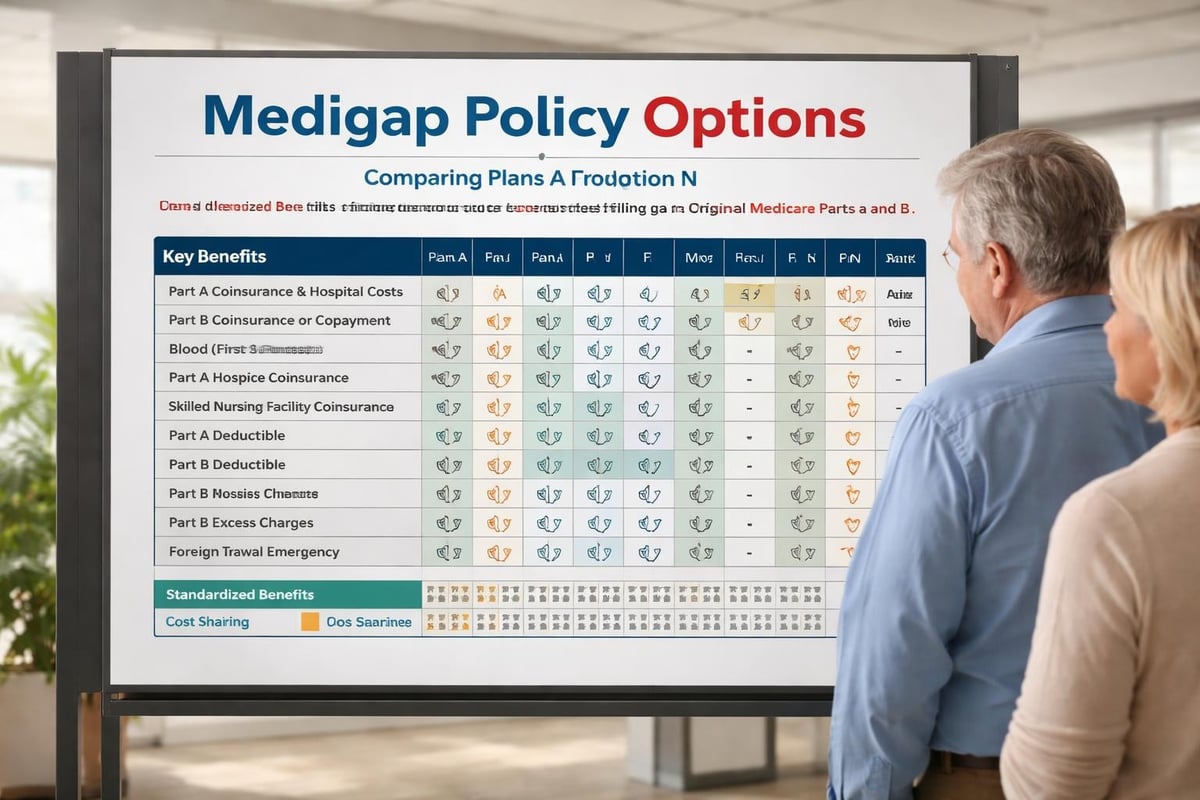
Standardized Medigap Plans
Medigap plans use letter designations (A through N) to indicate benefit levels. Plans with the same letter offer identical benefits regardless of which insurance company sells them, though premiums vary by company and location.
Plan G has become one of the most popular options, offering comprehensive coverage except for the Part B deductible. Plan N provides similar benefits with slightly higher out-of-pocket costs but lower premiums.
Getting Help with My Medicare Decisions
Making informed decisions about my Medicare doesn't require navigating the system alone. Multiple resources provide assistance, from official government programs to local insurance advisors who specialize in Medicare coverage.
The State Health Insurance Assistance Program (SHIP) offers free, unbiased Medicare counseling through trained volunteers. These local programs provide personalized assistance with enrollment, coverage comparisons, and problem resolution.
For residents throughout the Triad Area, including Greensboro, Kernersville, High Point, and Winston Salem, working with a local Medicare insurance advisor offers personalized guidance tailored to your specific situation. Understanding how expanding Medicare coverage with additional options can enhance your benefits helps you maximize your healthcare value.
Questions to Ask When Reviewing My Medicare Options
Thorough review of my Medicare choices requires asking the right questions:
- Which doctors and hospitals do I want to use, and do they accept this plan?
- What prescription medications do I take, and are they covered on the plan's formulary?
- How much will my total annual costs be, including premiums, deductibles, and out-of-pocket expenses?
- Does the plan cover services I use regularly, such as physical therapy or diabetes management?
- If I choose Medicare Advantage, what are the network restrictions and referral requirements?
Understanding health insurance’s role in safeguarding your finances extends beyond Medicare to comprehensive financial planning.
Common My Medicare Mistakes to Avoid
Even well-informed individuals sometimes make mistakes when enrolling in or managing my Medicare coverage. Awareness of common pitfalls helps you avoid costly errors.
Missing Enrollment Deadlines
The most expensive mistake involves missing your Initial Enrollment Period without qualifying for a Special Enrollment Period. This results in coverage gaps and lifetime penalties on premiums. Mark your calendar well in advance and enroll during the earliest months of your Initial Enrollment Period when possible.
Assuming All Doctors Accept Medicare Advantage Plans
While most doctors accept Original Medicare, Medicare Advantage plan networks vary significantly. Before enrolling in a Medicare Advantage plan, confirm your preferred doctors participate in the plan's network. Also verify whether specialists require referrals and understand the plan's rules for out-of-network care.
Failing to Review Coverage Annually
Your healthcare needs and available plans change over time. What worked well last year might not remain the best option this year. Annual review during the Annual Enrollment Period ensures your coverage continues meeting your needs at the best available price.
Overlooking Prescription Drug Coverage
Delaying Part D enrollment when you first become eligible for my Medicare results in late enrollment penalties unless you maintain creditable prescription drug coverage. These penalties, calculated based on the length of time without coverage, last as long as you have Part D.
Not Understanding Medicare Advantage Rules
Medicare Advantage plans operate differently from Original Medicare. Enrolling without understanding network restrictions, prior authorization requirements, and referral processes can lead to unexpected costs and access problems. Take time to learn your plan's specific rules and procedures.
My Medicare and Long-Term Care Planning
Medicare provides limited coverage for long-term care services, making additional planning essential for comprehensive protection. Understanding these limitations helps you prepare appropriately for potential future care needs.
My Medicare covers skilled nursing facility care only following a qualifying hospital stay of at least three days and only for up to 100 days per benefit period. The first 20 days are fully covered, while days 21 through 100 require substantial daily coinsurance payments.
Medicare doesn't cover custodial care, which represents the majority of long-term care services. Activities like bathing, dressing, and eating assistance fall outside Medicare coverage when that's the only care needed.
Planning for long-term care involves considering options like long-term care insurance, hybrid life insurance policies with long-term care riders, or self-funding strategies. For comprehensive financial protection, many families combine life insurance planning with Medicare to address multiple needs simultaneously.
Resources for Managing My Medicare
Staying informed about my Medicare requires access to reliable, up-to-date information. Several resources provide valuable assistance throughout your Medicare journey.
The official Medicare website offers comprehensive information about all aspects of coverage, including plan comparisons, cost calculators, and enrollment assistance. Creating an account gives you access to personalized information about your coverage, claims, and benefits.
Medicare's toll-free help line (1-800-MEDICARE) connects you with representatives who answer questions about benefits, enrollment, and coverage. Representatives are available 24 hours a day, seven days a week.
For local assistance in the Triad Area, Moser Insurance Group Inc provides personalized Medicare guidance at 336-862-1763, via email at moserinsurancegroup@gmail.com, or through our website at moserinsurancegroup.com. Our team understands the specific plan options available throughout Greensboro, Kernersville, High Point, and Winston Salem.
Managing my Medicare successfully requires understanding enrollment periods, coverage options, costs, and the decisions that affect both current benefits and long-term financial health. Whether you're approaching initial eligibility or reviewing your existing coverage, informed decision-making protects both your health and your budget. The team at Moser Insurance Group Inc provides the personalized education and support you need to navigate Medicare with confidence, helping you understand your options without pressure so you can make decisions that truly serve your interests and those of your family.
Recent Comments